Source Manure Cleaning Scraper for Cow, Pig, and Chicken Farms
Compare 27 manure cleaning scraper units from verified Chinese suppliers. These electric and manual models feature steel construction, ISO9001 certification, and customizable dimensions for cowsheds up to 150 meters; compare the available evidence and request quotations based on your requirements.
Key considerations
Products List






Comprehensive Sourcing Guide
Manure Cleaning Scraper Sourcing Guide
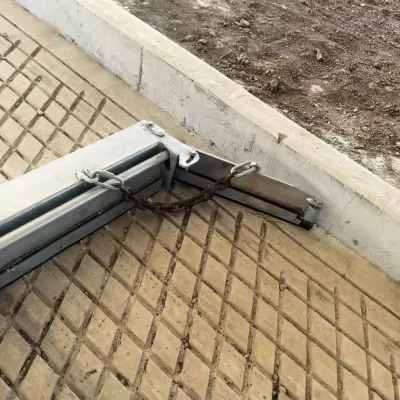
Procuring a manure cleaning scraper requires a disciplined approach to aligning mechanical specifications with the physical constraints of your livestock facility. These systems are primarily designed for the automated removal of waste from cowsheds, ensuring hygiene and operational efficiency. Buyers must first evaluate the specific dimensions of their barns, as the scraper’s performance is heavily dependent on the length and width of the running lane. The observed market data indicates a wide variance in product configurations, ranging from basic manual labor setups to fully electric, computerized systems. Understanding these distinctions is critical for selecting a unit that matches your labor budget and maintenance capabilities.
The sourcing landscape for these agricultural machines is dominated by manufacturers in China, with significant production hubs located in Henan and Yixian, Baoding. Suppliers often offer customization options to fit non-standard shed lengths, which is a vital feature for older or uniquely designed facilities. The core keyword "manure cleaning scraper" encompasses various models, such as the GFB series, which differ in power output, scraper width, and drive mechanisms. Buyers should focus on verifying the actual operational parameters of each listing rather than relying on generic product titles, as the term covers everything from simple chain drains to complex multi-tiered cleaning systems.
Product Scope and Observed Listing Signals
The current market listings reveal a diverse range of manure cleaning scrapers, with prices spanning from approximately $0.87 to $13,500 USD. This vast disparity suggests that the category includes everything from individual replacement parts, such as scraper blades or chains, to complete, heavy-duty automated systems. The minimum order quantity (MOQ) ranges from 1 to 1,000 units, indicating that suppliers cater to both single-farm replacements and large-scale agricultural contractors. Buyers must carefully distinguish between component-level purchases and full system installations, as the installation complexity and required auxiliary equipment differ significantly between these two scopes.
Observed product attributes highlight a strong emphasis on durability and specific material compositions. Most listed units are constructed from steel, with many specifying stainless steel standards to resist corrosion in harsh, humid environments. The condition is consistently listed as new, and the service life is often projected at 15 years, suggesting robust engineering. However, buyers should treat these longevity claims as observations rather than guaranteed warranties. The color is typically grey, and the type is classified as cleaning, but the underlying technology varies from electric motors to manual labor setups, requiring careful verification of the power source before purchase.
Technical Specifications to Verify
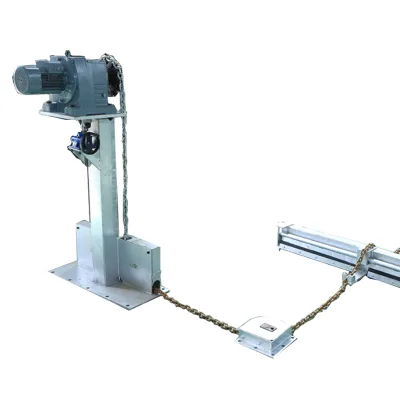
When evaluating technical specifications, the power source and motor capacity are primary decision factors. Listings show options for both electric and manual labor power sources, with electric models featuring motors ranging from 1.5kw to 2.2kw. Some suppliers specify the use of Siemens motors, which may indicate a preference for reliability, but buyers should verify the actual brand and origin of the motor in the contract. The reduction ratio is another critical technical detail, with some units offering a 1:246 ratio to ensure sufficient torque for heavy manure loads. Confirming these electrical and mechanical parameters ensures the scraper can handle the viscosity and volume of waste in your specific operation.
The physical dimensions of the scraper and the shed are equally important for proper fitment. The scraper width is frequently listed as less than or within 4.6 meters, while the cowshed length is often specified as less than 150 meters or with a fecal tract length exceeding 120 meters. Buyers must measure their existing infrastructure precisely to avoid ordering a unit that is too large or too small. Additionally, specifications such as the shaft diameter (60mm or 70mm) and the number of steering wheels (18) indicate the structural integrity and steering mechanism of the chain system. Verifying these exact measurements prevents costly installation errors and ensures the scraper moves smoothly along the designated track.
Compliance and Safety Documentation
Compliance and safety documentation are essential for ensuring that the purchased equipment meets international and local regulatory standards. Many suppliers list ISO9001 certification, often accompanied by descriptors such as "Computerized" or "Condition: New." Buyers should request copies of these certificates to verify that the manufacturing facility adheres to recognized quality management systems. The presence of ISO9001 suggests a baseline level of process control, but it does not guarantee that the specific unit delivered will perform as expected. Therefore, buyers must treat certification as a preliminary filter rather than a substitute for rigorous technical due diligence.
Safety features and operational standards must also be clearly defined in the procurement documentation. The processing technics, such as chain drain systems, involve moving parts that pose potential hazards to maintenance personnel. Buyers should inquire about the inclusion of safety guards, emergency stop mechanisms, and clear operational manuals. While some listings mention BSCI certification, this is a low-confidence background fact and should not be relied upon for concrete safety claims. Instead, focus on verifying that the electrical components meet relevant safety standards for agricultural machinery, particularly regarding grounding and insulation, to prevent accidents in wet, conductive environments.
Cost Drivers and Commercial Terms
Several key factors drive the cost of manure cleaning scrapers, with customization being a primary variable. Suppliers offer customization services to adapt the scraper to specific shed lengths and widths, which can increase the base price due to engineering and manufacturing adjustments. The material choice, such as the use of wear-resistant steel for abrasion-resistant feet, also impacts the final cost. Buyers should obtain detailed quotes that break down the cost of the main frame, motor, chain, and scraper blades separately. This transparency helps in comparing value across different suppliers and identifying any hidden fees associated with non-standard configurations.
Commercial terms, including packaging and shipping, significantly influence the total landed cost. Packaging methods vary, with options including packing belts with pallets, wooden boxes, wooden cases, or wooden cases with iron belts. The choice of packaging affects the risk of damage during transit and the associated freight costs. Buyers should specify the preferred packaging method in the purchase order to ensure the equipment arrives in good condition. Additionally, the origin of the product, whether from Henan or Yixian, Baoding, may impact logistics and lead times. Clarifying these terms early in the negotiation process helps in budgeting accurately and avoiding unexpected expenses upon delivery.
Supplier Qualification and Quality Control
Supplier qualification is a critical step in mitigating procurement risks. Buyers should verify the supplier’s manufacturing capabilities, particularly their ability to produce steel structures and assemble complex mechanical systems. The listed origins in China suggest a mature supply chain, but buyers must confirm the supplier’s actual factory location and production capacity. Requesting video tours or third-party audit reports can provide insight into the supplier’s quality control processes. This due diligence helps ensure that the supplier can consistently produce units that meet the specified technical requirements and delivery schedules.
Quality control measures should be explicitly defined in the contract to protect the buyer’s interests. Buyers should insist on pre-shipment inspections that verify key dimensions, such as the scraper width and shaft diameter, as well as functional tests of the motor and chain system. The lubricant used, such as graphite, should be specified to ensure proper maintenance intervals. Additionally, buyers should clarify the warranty terms and after-sales support options. Given the 15-year service life claim, understanding the supplier’s commitment to long-term support is vital. Establishing clear quality benchmarks and inspection protocols ensures that the delivered equipment performs reliably from day one.
Long-Term Procurement Checks
Long-term procurement success depends on establishing a framework for ongoing performance monitoring and maintenance. Buyers should develop a maintenance schedule that aligns with the supplier’s recommendations for lubrication and component replacement. The use of graphite lubricant and wear-resistant steel feet suggests specific care requirements that must be followed to achieve the projected service life. Regular inspections of the chain tension, steering wheels, and motor performance can prevent unexpected downtime. By tracking these metrics, buyers can optimize the operational efficiency of the scraper and extend its useful life.
Building a strong relationship with the supplier is also crucial for long-term procurement. Buyers should maintain open communication regarding any operational issues or required adjustments. This partnership can facilitate access to spare parts, such as replacement blades or motors, and ensure timely support during troubleshooting. Additionally, staying informed about technological advancements in manure cleaning systems can help buyers upgrade their equipment in the future. By focusing on continuous improvement and supplier collaboration, buyers can maximize the return on investment from their manure cleaning scraper procurement.
FAQs
What is the service life of the manure cleaning scraper?
The service life is 15 years for this new steel unit. It features a stainless steel standard and operates with an electric power source. The product is designed for cow manure processing with a chain drain technic. Customization is available to fit specific cowshed lengths.
Which power source options are available for the scraper?
Electric power sources are available with options like 2.2kw or 1.5kw motors. Some units may utilize manual labour depending on the specific configuration. The motor brand can be Siemens, ensuring reliable performance. These units are manufactured in Henan or Baoding, China.
Can the product be customized for different cowshed lengths?
Yes, customization is available to match the specific length of the cowshed. The scraper width is typically within 4.6 meters. The standard is often set according to the length of the cowshed. This ensures the machine fits the facility requirements precisely.
What certifications does the manure cleaning scraper hold?
The product holds ISO9001 certification for quality management. It is available in both computerized and non-computerized versions. The condition is new, and it meets specific industrial standards. These certifications ensure the equipment meets global safety and quality benchmarks.
How is the manure cleaning scraper packed for shipping?
Packing options include using a packing belt followed by a pallet or a wooden box. Some units are packed in a wooden case with iron belts. The specific method depends on the model and shipping requirements. This ensures the equipment arrives safely at the destination.
What is the moving speed of the scraper unit?
The moving speed is 4 meters per second for efficient operation. The shaft diameter varies between 60mm and 70mm depending on the model. The speed ensures effective manure removal in long cowsheds. This speed is optimized for the specific processing object of cow manure.
Which specifications define the scraper width and length?
The scraper width is less than 4.6 meters for most models. The fecal tract length can exceed 120 meters in specific configurations. The cowshed length requirement is less than 150 meters for optimal performance. These dimensions ensure the machine fits standard agricultural facilities.